EXCLUSIVE How Russia's separatists in Tiraspol mock even those who support their illegal regime, leaving the so-called "military" and "police" without numerous social compensations. Details

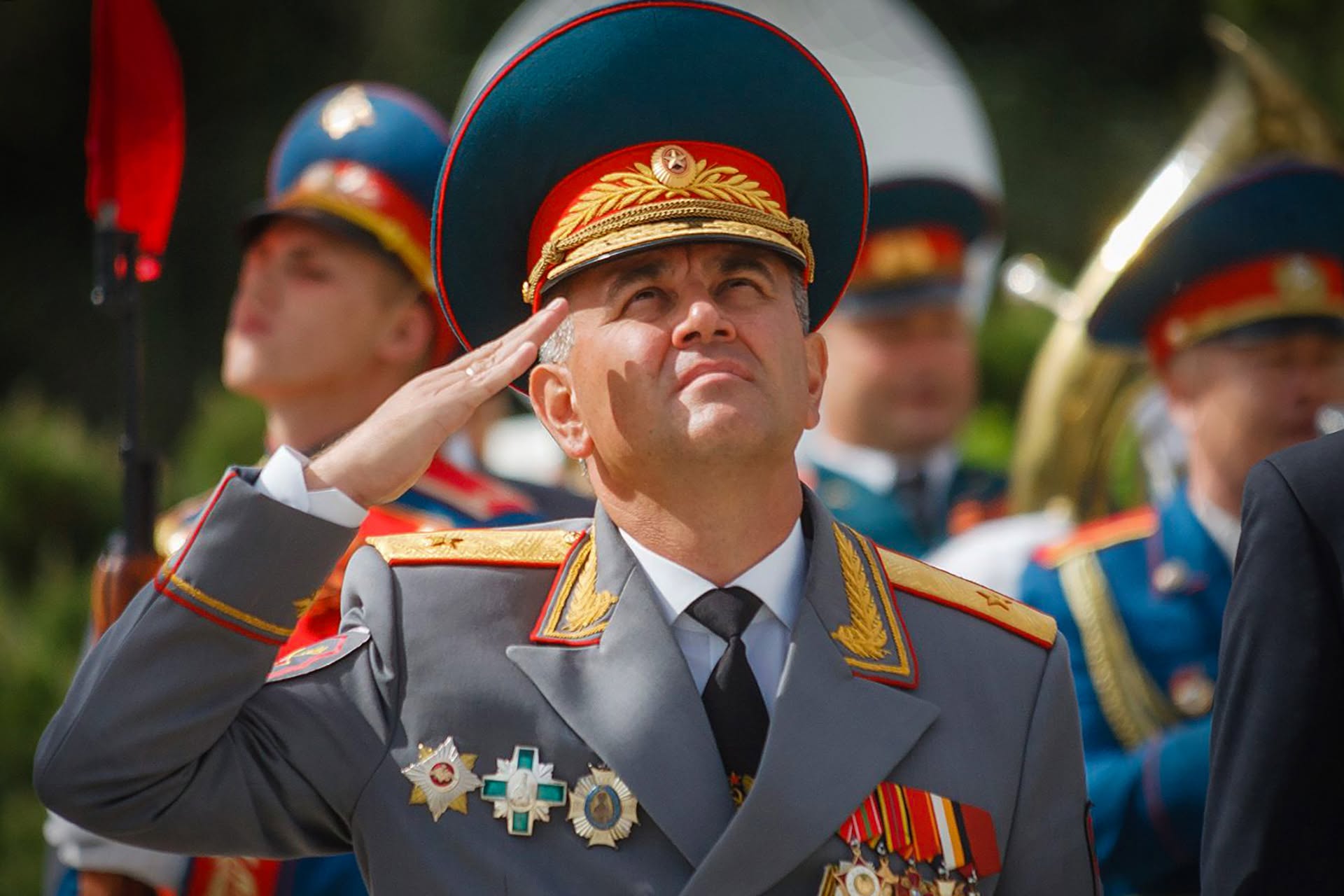
Cost-cutting at the expense of their own supporters: The Separatists are once again wronging those who have defended and will continue to defend the Republic.
The separatists in the so-called Transnistria have once again decided to “freeze” social benefits for tens of thousands of people, this time for a period of three years. The alleged “optimization” measures will affect compensations granted to veterans, people with disabilities, those affected by the Chernobyl disaster and blood donors. Moreover, the separatists are once again reducing benefits for a wide category of employees within the so-called law enforcement structures, people who previously benefited from a series of privileges financed from the local budget.
How did what was initially a temporary reduction in benefits for law enforcement personnel become a permanent practice, and how much does the budget save at the expense of those charged with defending the alleged "independence" of this province, separated from Russian occupation troops? Find out below.
The shadow government of the so-called Transnistria has submitted to the so-called parliament in Tiraspol a “draft law” that provides for the suspension of certain social benefits for a period of three years. Between January 1, 2027 and December 31, 2029, compensation payments granted to veterans, people with disabilities, those affected by the Chernobyl disaster and blood donors are to be reduced. A particularly hard blow, however, targets the benefits enjoyed by personnel from security and “law enforcement” structures, including the military, police, employees of the penitentiary system and representatives of the so-called investigative bodies.
This document continues the practice established over the past two years. Citing a "difficult economic situation", the separatists decided to suspend, for the years 2025 and 2026, several dozen benefits granted to the population, a measure that was initially conceived as temporary.
Throughout 2025 and 2026, veterans, people with disabilities, and members of the security and public order forces received assurances from the so-called local social welfare offices and the so-called relevant agencies that all these benefits would be restored in 2027, with new ones to be introduced. However, a new decree from the shadow government indicates that these benefits will remain unavailable for at least another three years.
What benefits have people lost and will they continue to be deprived of?
For veterans of all wars and for people with disabilities, the following remain suspended:
– settlement of expenses related to gasoline, vehicle maintenance and spare parts (calculated based on a consumption of 20 liters of gasoline per month);
– settlement of vehicle repairs after seven years of use (up to an amount equivalent to 505–505,5 times the established minimum wage);
– a cash allowance for transportation services, granted twice a year;
– a cash payment in lieu of unused vouchers for medical treatment or health stays, approximately 2.300 local rubles (121 euros), granted once every two years to people with disabilities who are not employed.
For those affected by the Chernobyl disaster and those who participated in the decontamination work following the Chernobyl Nuclear Power Plant accident, the additional 14-day paid leave and monthly food allowance will be eliminated. "Honorary donors" will no longer benefit from free dentures or free public transportation and will lose the 50% discount on utility bills.
In the so-called Transnistria, there are officially about 12.800 people with disabilities, about 10.000 veterans of various Russian wars, 330 people affected by the Chernobyl disaster (including participants in the decontamination work) and about 3.000 honorary blood donors. The total number of people affected by the latest freeze on social benefits is 26.000.
It is worth noting that among the “veterans of all conflicts” whose benefits were withdrawn are approximately 9.000 surviving veterans of the 1992 Russo-Moldovan war. This figure includes both those who participated in actual fighting and those who joined the “militia” but did not take part in any fighting. It is precisely these groups that traditionally received the most substantial compensation packages from the local budget. The alleged Tiraspol officials have never hidden the fact that the expenses related to supporting veterans of the 1992 war represented a “significant element” of their social obligations. Currently, some of these payments have been “frozen” again.
According to the alleged Ministry of Finance in Tiraspol, the reduction of certain benefits for people with disabilities, veterans, and people affected by the Chernobyl disaster generated savings of approximately 83 million Transnistrian rubles (about 4,4 million euros) in 2025. Data on savings for 2026 are not yet available.
However, the so-called authorities on the left bank of the Nistru River have once again reduced benefits, not only for those who, in the past, took up arms to defend the so-called “independence” of the separatist enclave, but also for those who might be called upon to defend the regime in the future. Specifically, this new wave of benefit cuts will affect all so-called military personnel within the so-called local “Ministry of Defense”, as well as employees of the so-called local “Ministry of Interior”, those of the so-called “Ministry of Justice of the TMR” (responsible for guarding prisons, transporting detainees and ensuring security during court hearings), as well as employees of all so-called investigative bodies (the Investigative Committee, specific units of the local Prosecutor’s Office and the MGB).
The most significant reduction in benefits concerns the so-called local military. For the so-called military cadres in the imaginary "Ministry of Defense" in Tiraspol, many provisions of the so-called law "On the Status of Military Personnel" are again suspended, including:
– extension of basic vacation leave to include the time needed to travel to the vacation destination (between 1 and 5 days);
– monthly compensation for renting a home (if a "military" does not own a home of his own and rents one, 50% of the rent cost was covered by the local budget);
– interest-free loans granted by local banks (previously, the entire interest on such loans contracted by "military personnel" was paid from the local budget).
– a 50% discount on utility services, telephone installation, subscriptions for communication services and fuel for homes that do not have centralized heating;
– full settlement from the "state" budget of expenses related to medical care, medicines, as well as the manufacture or repair of dental prostheses;
– ensuring treatment in sanatoriums or spa resorts, including compensation for the value of treatment tickets that were not granted;
– free transportation for business trips, trips to holiday destinations and trips for the purpose of receiving medical care, on the territory of the so-called Transnistria.
– reimbursement of travel expenses to work for those who live more than two kilometers away.
As for local staff of the so-called Ministry of Internal Affairs in Tiraspol, the provision of funds from the “state” budget for the purchase of an apartment or house, as well as a 50% subsidy for rental costs and a 50% discount on utility bills (until they purchase their own housing), has again been postponed. In addition, the compensation for childcare expenses, applicable in situations where a child cannot be enrolled in a kindergarten, has been suspended for these local employees.
Similar restrictions on benefits, already in force for staff of the so-called local Ministry of Internal Affairs, have now been applied to the so-called “military” within the so-called local Ministry of Justice, as well as to staff of all so-called investigative bodies. These mainly concern limitations on the reimbursement of utility expenses and child-rearing benefits.
The alleged authorities in Tiraspol have not disclosed an overall figure for the savings achieved in terms of personnel in security and “law enforcement” structures. Such information is classified under local legislation on “state secrets,” and almost all budget lines related to benefits granted to these categories are marked as “secret.” The explanatory memorandum mentions only a “significant reduction in state spending on certain benefits and guarantees that had no identified funding sources.”
However, at the end of 2024, the 2025 budget included an allocation of approximately 320 million local rubles (about 17 million euros) for “reimbursement of subsidies for utilities and communications” for members of security and “law enforcement” agencies in the so-called Transnistria. This specific budget line, covering subsidies, was not classified.
It should be noted that these compensatory amounts are based on the old utility tariffs. Starting from March 1, 2025, utility tariffs in the region increased by percentages ranging from 30% to 170%, depending on the specific service and place of residence of each person. If the alleged authorities in Tiraspol had not eliminated utility subsidies for law enforcement and security personnel, the costs in this area would have far exceeded the amount of 320 million local rubles, provided for in the budget at the end of 2024.
The total number of people affected by the reduction in benefits for security personnel is approximately 15.000. This figure is based on data on the strength of the so-called armed forces and the staff of the so-called Ministry of Internal Affairs in Tiraspol, valid for 2022. After the outbreak of the Russian war in Ukraine, the separatists classified information on the number of personnel in their security structures. If veterans, people with disabilities, blood donors and those affected by the Chernobyl disaster are added to this figure, the total number of people affected by the reduction in previously existing benefits reaches 41.000.
We recall that, according to the so-called Ministry of Health in Tiraspol, 447.000 people live in the region. Data from the Reintegration Office indicate that there were almost 365.000 inhabitants in the Transnistrian region. These figures reflect the number of people registered in the State Population Register of the Republic of Moldova with domicile or residence in this region.
It is not surprising that the so-called officials of the unrecognized region have decided to extend the restrictions on these benefits for another three years. The economy of the so-called Transnistria has been in a prolonged decline for two years now. In the first eight months of 2026 alone, the region's exports fell by 17%, and industrial production fell by 25% compared to 2024 levels. Budget revenues cover only part of the expenses.
The separatists were forced to eliminate all spending on infrastructure and development, in order to prioritize the payment of “public sector” salaries and pensions. However, in the end, it was precisely those charged with ensuring the stability and security of this so-called “state” that is not recognized by anyone internationally who were among the most severely affected. In reality, they bore the brunt of the drastic austerity measures imposed by the so-called officials in Tiraspol.
Given the low salaries of “military personnel,” “police officers,” and members of other security and “law enforcement” structures, the existing benefits have remained one of the few concrete forms of support offered by the separatist regime installed by the Russians in Tiraspol. Currently, these guarantees, along with payments intended for veterans, people with disabilities, those affected by the Chernobyl disaster, and blood donors, are once again “suspended” for a period of three years. What was declared to be a temporary measure has been prolonged over the years, increasingly taking on the appearance of a new state of affairs, in fact a reality that the so-called local officials refuse to acknowledge.
As a result, approximately 41.000 people will continue to be deprived of a significant part of the social benefits offered by the so-called “state” they have served and continue to serve. Over the next three years, they will again lose a substantial part of their already extremely modest incomes, all against the backdrop of a continuing economic decline in the region. It remains unclear how this will affect the numbers of the various armed formations in this unrecognized region – especially considering that these “social guarantees” were the main incentive for signing a contract with any of the security or military structures in the region, especially in the context of the low salaries offered.
