Europe rocked by protests. Italy deploys army, luxury stores barricade themselves for fear of looting

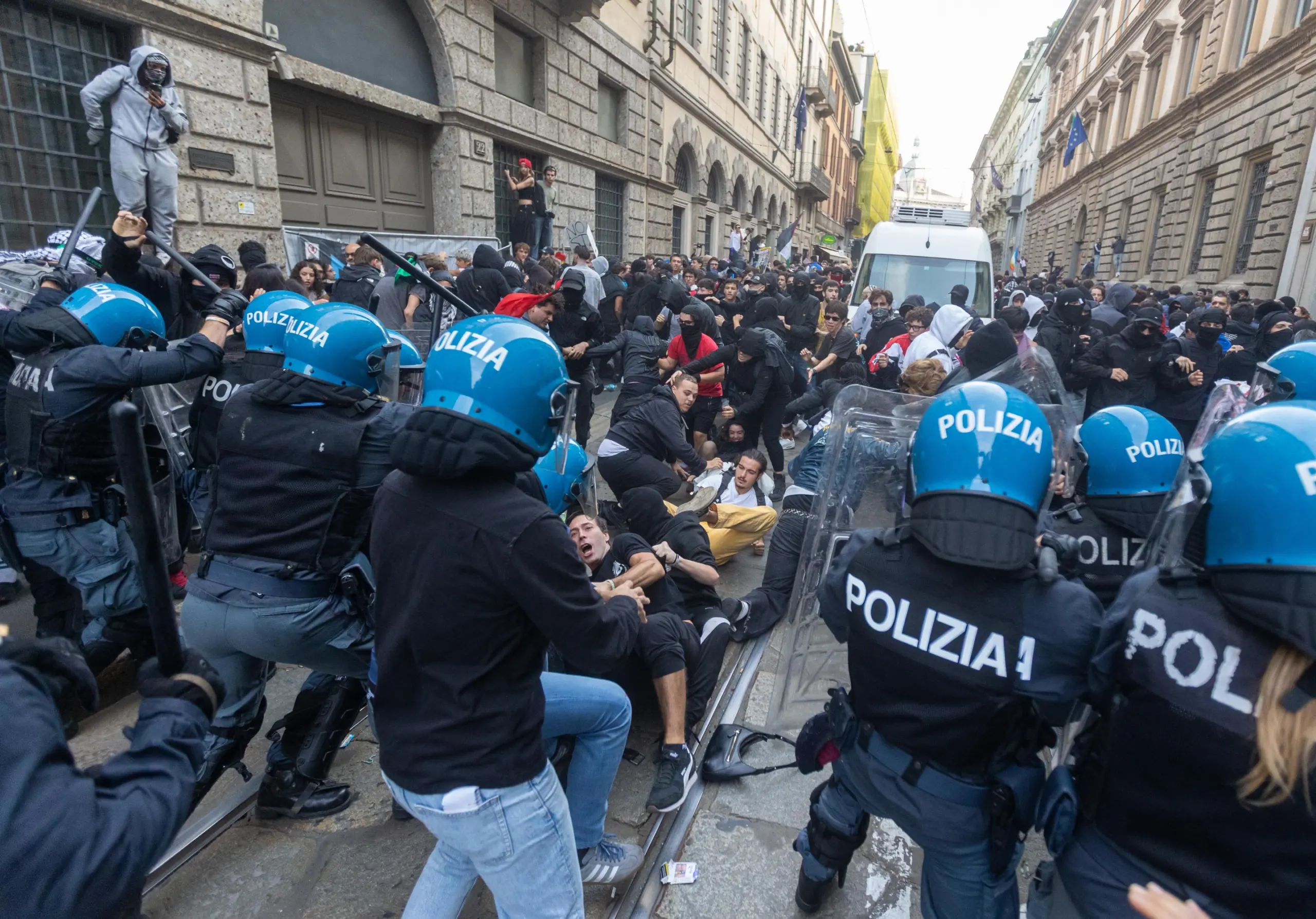
Italy has deployed 500 more soldiers to Milan, where fresh demonstrations began on Saturday, Oct. 24, a week after violent protests that resulted in looting, destruction and dozens of arrests. Luxury stores have covered their windows with wooden panels, and law enforcement has stepped up patrols and surveillance with drones. Large-scale protests are also taking place in other European countries, including France, Spain, Portugal and Albania, amid dissatisfaction with the cost of living, housing, pensions and government policies, the Associated Press reports, taken over by ABC News.
The government led by Giorgia Meloni has decided to send 500 more soldiers to Milan, joining the hundreds of soldiers already present in the city. They will support around 5.000 police officers and other public order employees.
Authorities have imposed additional checks at train stations, are using drones to monitor crowded areas, and are monitoring social media for possible calls for violence. Rapid intervention teams have also been mobilized.
In central Milan, many stores, including Gucci, Tiffany and Omega, have protected their windows with wooden panels. The move comes after groups of people broke windows and looted shoe, sportswear and other stores near Piazza Duomo last weekend.
According to Milan Police, around 2.000 young people were involved in last week's violence. In two days, law enforcement officers detained 45 people, 34 of whom were minors.
Prime Minister Giorgia Meloni also announced measures to tighten sanctions applied to minors involved in acts of violence.
The mayor of Milan, Giuseppe Sala, expressed concern that the incidents could be repeated and supported the decision to increase the military force.
However, representatives of the Police unions warn that the presence of the military cannot solve the lack of specialized personnel in managing demonstrations.
Italian Defense Minister Guido Crosetto explained that soldiers do not have all the equipment necessary for public order interventions. For example, they are not authorized to use irritant sprays or electroshock devices.
The tensions have prompted authorities to strengthen security measures in Rome as well, where shopping streets have been restricted and checks have been stepped up near the main squares.
In the Italian capital, several hundred students took part in a peaceful demonstration, trying to distance themselves from those involved in the violence of the previous week. A separate anti-war march also began, with organizers urging participants to avoid any provocation.
Demonstrations have been announced in at least seven other Italian cities, supported by student organizations, unions and groups opposing the war.
The protests are not limited to Italy, however.
In the Albanian capital, Tirana, police used water cannons against groups of demonstrators who threw objects at security forces. About 2.500 police were mobilized to ensure security.
Albanian students and pupils are demanding lower tuition fees, greater investment in education and an end to corruption in the system. Some have joined anti-government protests calling for the resignation of Prime Minister Edi Rama.
In Spain, thousands of pensioners and their supporters took to the streets of Madrid to demand protection for the public pension system, amid fears of possible privatization.
Spain has also been facing demonstrations for several weeks over the housing crisis and rising rents. In central Madrid, in Puerta del Sol Square, protesters have been maintaining a tent camp for almost a month.
Similar protests have brought people to the streets in Lisbon. The Portuguese are demanding affordable housing and are challenging measures by the government led by Luis Montenegro that would make it easier to evict non-paying tenants and relax limits on annual rent increases.
The wave of demonstrations across Europe has brought together demands ranging from higher living standards and access to housing to education reforms and opposition to military spending. While most protests have been peaceful, violence in some cities has prompted authorities to resort to increased security measures.
