Russia, Sheriff and the institutions that keep Transnistria away from Chisinau

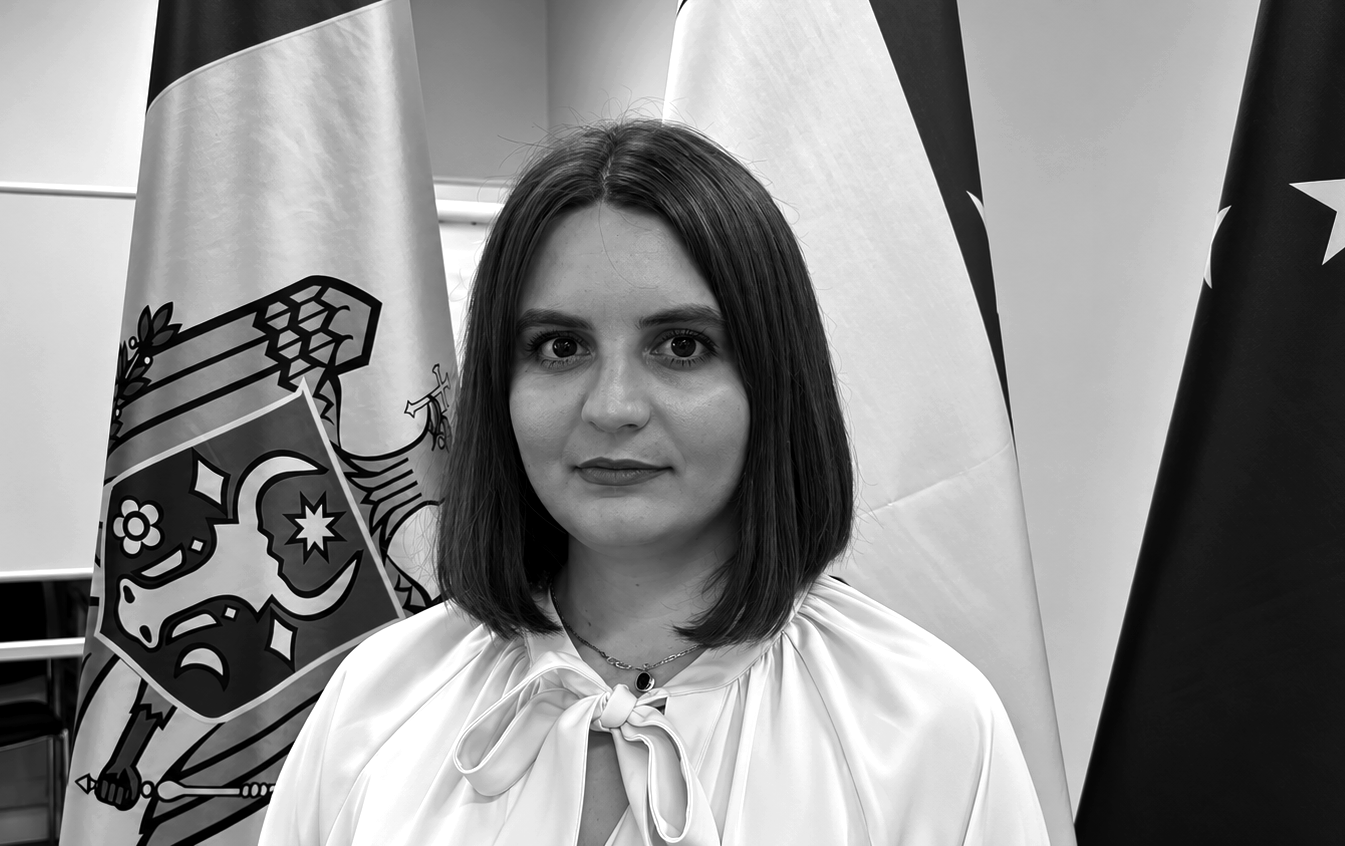
The Republic of Moldova compensates farmers from Dubasari for taxes imposed by Tiraspol.
Also, even if Russian troops were to withdraw, Chisinau would have to take over separatist institutions and regulate economic interests consolidated over three decades.
In 2024, the Republic of Moldova spent over 3,25 million lei to compensate farmers in Dubasari district, forced to pay taxes imposed by the separatist administration in Tiraspol. The farmers have land across the Rîbnița-Tiraspol road. To bring seeds and fertilizers to the fields and transport the harvest, they have to pass through illegal checkpoints of the separatist administration.
According to Promo-LEX, the compensation covered customs duties, brokerage services and road taxes. 78 applications submitted by 26 economic agents were approved. Promo-LEX also documented the obligation of farmers to register their activity with separatist structures, to declare what they grow and to present information about the transport of seeds, fertilizers and fuel.
Chisinau compensates them, but cannot prevent Tiraspol from imposing these taxes and obligations on them.
The illegal checkpoints are part of an administrative system outside the constitutional authority of the Republic of Moldova. The separatist administration has its own courts, prisons, police structures and security services. The withdrawal of Russian troops would remove a key obstacle to reintegration, but institutions remain that need to be taken over and properly integrated into the state system of the Republic of Moldova.
Russian troops remained in the region after the 1992 war, and Moscow continued to provide military, political, and economic support to the separatist administration. In the 2016 ruling in the case Mozer v. Republic of Moldova and Russia, the European Court of Human Rights found that Russia exercised effective control and decisive influence over the administration in Tiraspol.
Sheriff and the power in Tiraspol
The Sheriff Group, founded by Victor Gușan and Ilia Cazmalî, has businesses in trade, fuel distribution, banking and media. The holding company has expanded its activity by benefiting from privileges granted by the separatist administration.
During Igor Smirnov's rule, Sheriff could transfer currency outside the region without quantitative limits and without customs duties, according to the Warsaw Center for Eastern Studies. The facilities were eliminated in December 2012, after Yevgeny Shevchuk came to power.
Sheriff, however, retained his political influence. According to a December 2025 Promo-LEX analysis, the Obnovlenie party, which the organization claims is controlled by the holding, won all 33 seats in the separatist legislature in the November elections. The official voter turnout was 26,01%.
Meanwhile, Chisinau has begun to gradually eliminate tax exemptions that companies in the region have benefited from. From September 1, 2026, VAT and, where applicable, excise duties will apply to certain categories of goods, including alcohol, tobacco products, perfumes and jewelry.
On October 23, a demonstration against the new taxes was organized in Tiraspol. Former Deputy Prime Minister for Reintegration Alexandru Flenchea believes that the protest aimed to protect Sheriff's economic interests and exert pressure on Chisinau to abandon the tax measures.
But the question remains under what conditions people participated in the demonstration. I grew up in Dubasari, where my parents were required to participate in such events. If they refused, they risked losing their jobs. My family's experience and recent discussions with residents of the region make me look with caution at the images of the Tiraspol protest.
For a teacher or an employee of a public institution, an indication from management can be difficult to refuse. There is not even a need for an explicit threat if people have reason to believe that they may lose their jobs.
I cannot determine how many of the participants on October 23 came willingly. Some may sincerely support the organizers' demands, and economic grievances may be real. But the images of a packed market do not show who came out of conviction and who were afraid to refuse. Used to demonstrate popular support for the separatist administration, they can present compliance as political adherence.
Russian gas and Tiraspol's revenues
The region's economy has also relied for decades on Russian gas, for which Tiraspol does not actually pay Gazprom. The separatist administration collected payments from the population and businesses, while debts to the Russian supplier continued to grow.
Cheap gas powered factories and the power plant at Cuciurgan, which sold electricity to the rest of Moldova. Revenue from selling the fuel to local consumers helped finance the separatist budget.
The system entered a crisis in January 2025, after the cessation of Russian gas transit through Ukraine. Gazprom did not continue direct deliveries via an alternative route, citing a disputed debt of the Republic of Moldova.
In February, the region's supply was resumed through intermediaries, in smaller volumes and with funding from entities associated with Moscow, according to the Center for Eastern Studies in Warsaw.
The reduction in supplies has affected industrial production and the separatist administration's revenues. In the first ten months of 2025, the region's exports fell by 42% compared to the same period in 2024, according to an analysis published by the same center in November 2025.
The energy crisis has reduced Tiraspol's revenues without changing who runs the region. Nor have agreements negotiated in previous years with Chisinau led to a transfer of authority.
Pro-Russians on both banks of the Dniester and the agreements that left Tiraspol in power
During his term, Igor Dodon supported Russia's continued involvement in the settlement of the Transnistrian conflict and met repeatedly with separatist leader Vadim Krasnoselski.
In 2017, the two discussed access to agricultural land for Dubăsari farmers, Romanian-language schools, and freedom of movement. Dodon later announced progress, including the simplification of some crossing procedures.
In 2018, the Government of the Republic of Moldova and international mediators recorded results regarding the functioning of schools with teaching in Romanian and Latin script, the recognition of educational documents, and movement between the two banks of the Nistru River. These results were achieved within the broader negotiation process, not exclusively through meetings between Dodon and Krasnoselski.
The former president also supported maintaining the peacekeeping mechanism in which Russian military personnel participate.
The agreements resolved some practical issues, without changing who controlled the illegal crossings. The Tiraspol administration could still set the conditions for access and demand payments from farmers.
In September 2025, the Reintegration Policy Office reported that farmers in Dubăsari had to renew their documents annually and pay the fees imposed by the separatist administration.
Chisinau had obtained easier access to land, but not the authority to eliminate the posts that restricted it.
Reintegration, beyond the withdrawal of Russian troops
In March 2026, a working document on the gradual reintegration of the Transnistrian region was presented to the Western partners of the Republic of Moldova.
According to the Warsaw Center for Eastern Studies, one of the options provided for the establishment of an international civilian administration to oversee the demilitarization and democratization of the region, before powers were gradually transferred to Chisinau.
Deputy Prime Minister for Reintegration, Valeriu Chiveri, stated that the document was preliminary and did not represent an approved plan. Among the solutions examined was the integration of the region into the constitutional framework of the Republic of Moldova, with guarantees regarding citizenship, property and social protection, without granting a special political status.
Taking over courts and police structures would raise issues regarding the status of their decisions, vetting of personnel, and investigation of illegal detentions and other abuses. Chisinau would also have to ensure the continuity of public services, payment of pensions, and the functioning of schools and hospitals.
In the absence of a transfer of authority over these institutions, Chisinau has begun to expand its economic control over the region. Since January 2024, Transnistrian companies are required to pay customs duties to the budget of the Republic of Moldova. Since September 2026, VAT or excise duties have also been applied to certain categories of goods.
By Law No. 67 of April 2026, Parliament established the Convergence Fund, intended to finance infrastructure and public services for the region's inhabitants. The fund would be funded from budget revenues and external contributions. As of October 20, the regulation on the management of the fund was still under public consultation.
Chisinau intends to finance projects for the population without transferring resources to the separatist administration. At the same time, it continues to compensate farmers in Dubasari for the taxes that Tiraspol imposes on passing through its checkpoints.
In 2025, the Government allocated 3,34 million lei to compensate for these expenses. Of this amount, 2,64 million lei were used.
At the same time, the illegal checkpoints that farmers must pass through to reach their own lands remained in the hands of the separatist administration in Tiraspol.
