Dozens of supermarkets in Europe targeted by possible cyberattack. Refrigerators reached 70 degrees Celsius

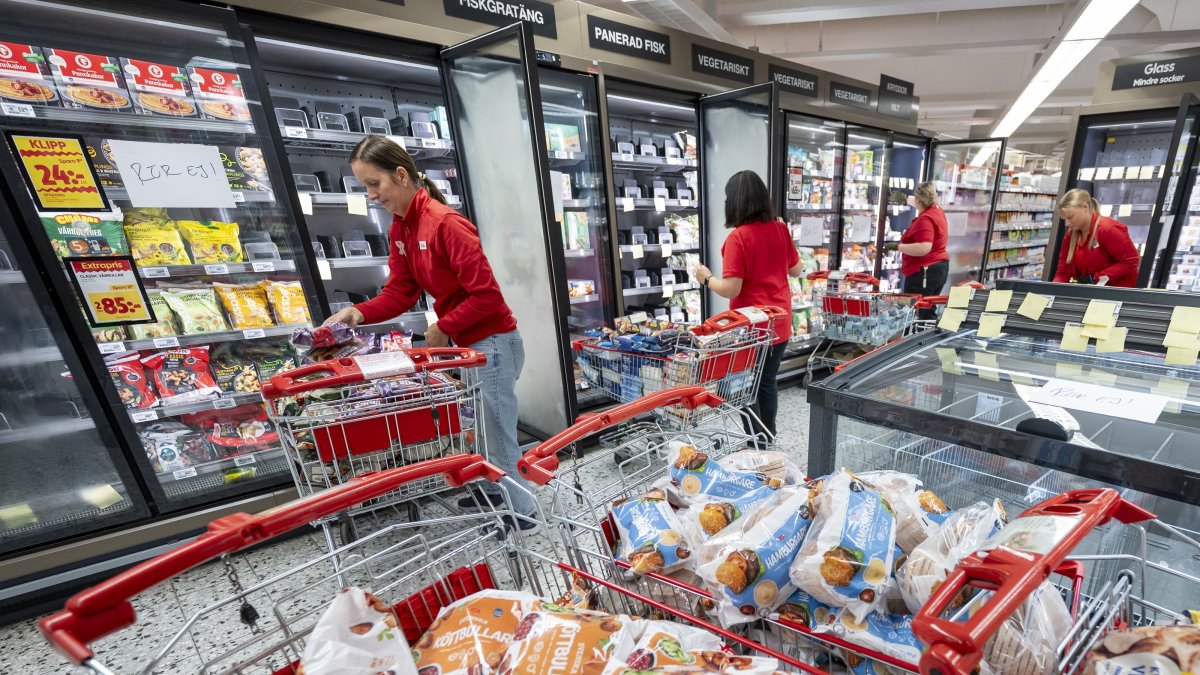
Dozens of supermarkets in several European countries have been hit by possible cyberattacks on refrigeration systems. Temperatures in fridges and freezers reportedly reached 70 degrees Celsius in Belgium, causing the destruction of food products worth around 100.000 euros, reports the Daily Mail. Euronews.com.
The incidents were reported on the night of Sunday to Monday, November 2, in Belgium, Sweden, Ireland and Luxembourg, just a few weeks after a similar attack that affected hundreds of supermarkets in France.
In Belgium, around 40 Delhaize stores, 15 Carrefour supermarkets and five Spar stores were affected by refrigeration problems. Butchers' group De Laet en Van Haver also reported refrigerator malfunctions.
Delhaize representatives confirmed the existence of a computer incident that affected refrigeration equipment in several dozen stores and stated that measures had been taken to maintain commercial activity.
For his part, Mich Vergauwen, spokesman for Carrefour Belgium, said that the problems were caused by a cyber attack.
"It's a cyber attack, there's no other explanation," he said, noting that the impact on the commercial network was very limited.
Similar problems have been reported in Sweden, where several ICA and Coop stores have reported abnormally high temperatures. In an ICA supermarket in Sjöbo, refrigerators and freezers were reportedly set to 50 degrees Celsius remotely, prompting a recall of the affected products.
In Ireland, Musgrave, the owner of the SuperValu chain, confirmed that 13 stores were affected by a cyber incident that targeted refrigeration systems. In Luxembourg, Delhaize has suspended its order-placement systems as a precaution. Problems with refrigeration equipment have also been reported at a supermarket in Estonia.
Stephan Moelans, CEO of the Belgian company Sabcobel, which specializes in the installation and maintenance of refrigeration systems, told the Belga agency that the attackers used the same method as in the incidents in France.
According to him, the refrigeration systems were manipulated so that the equipment entered defrost mode, which caused the uncontrolled increase in temperatures.
Moelans explained that eliminating vulnerabilities involves not only updating software, but also modifying some physical components of the equipment. One solution is to use secure internet connections to monitor and manage refrigerators.
The new series of incidents comes after the cyberattack on October 12, when hundreds of supermarkets in France, including stores of the Intermarché and Coopérative U chains, were affected by remote manipulation of refrigeration systems.
In the case of the attacks in France, temperatures were raised to around 50 degrees Celsius, causing the destruction of significant quantities of meat, dairy products and frozen foods. French authorities have launched investigations to identify those responsible.
