Hungary is gradually breaking its energy dependence on Moscow. The government in Budapest is preparing to completely eliminate Russian gas by 2027

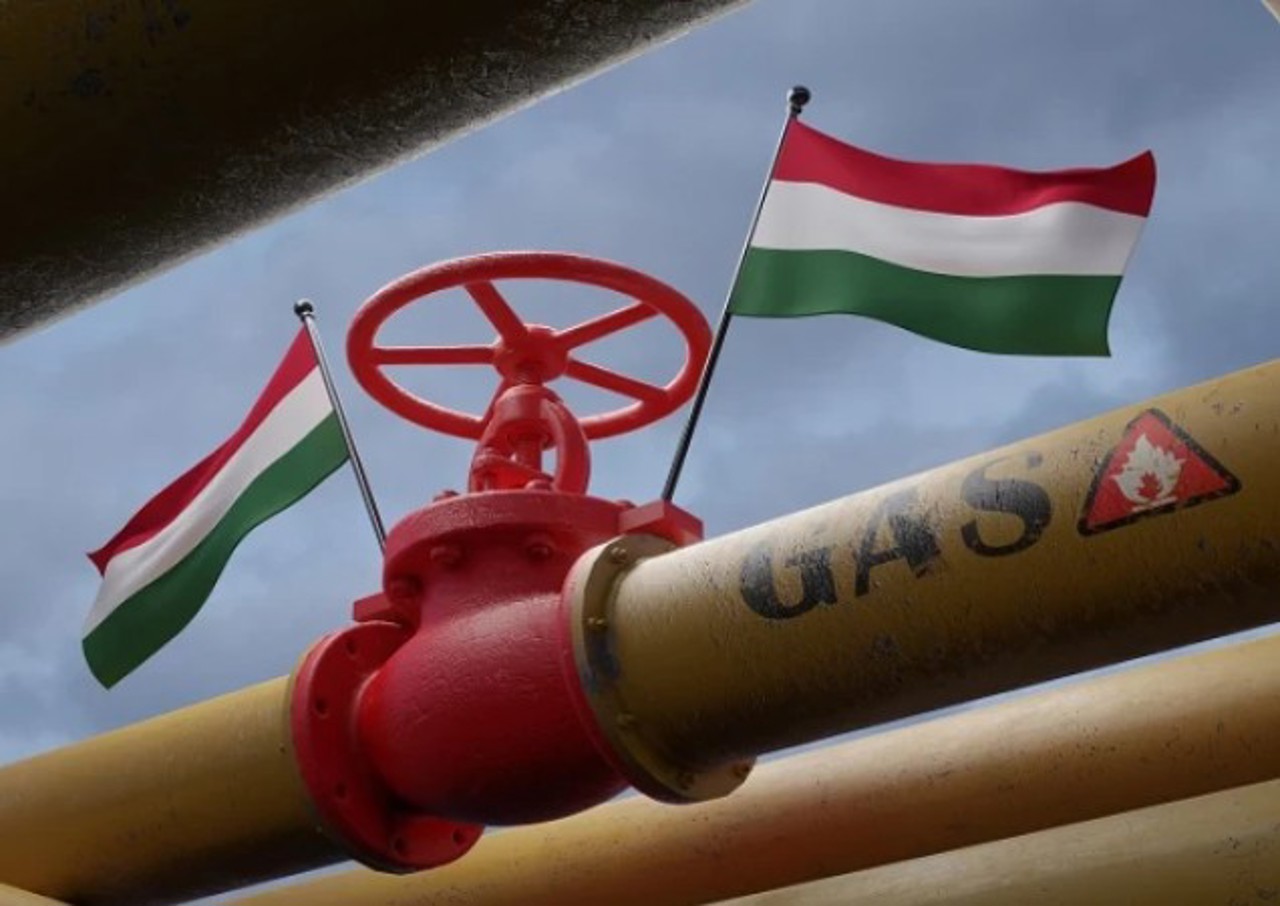
After years of relying on energy imports from the Russian Federation, Hungary is changing direction and preparing to permanently abandon Russian natural gas by the fall of 2027. The new government in Budapest is looking for alternative suppliers and new supply routes, including through Greece, Croatia, Poland and Lithuania. Hungarian Foreign Minister Anita Orbán said the goal is to reduce energy dependence on Moscow and respect the timetable set by the European Union, Telex reports, quoted by Mediafax.
Hungary plans to fully replace natural gas imports from Russia by autumn next year. According to Foreign Minister Anita Orbán, the authorities in Budapest are analyzing several solutions to diversify energy sources and ensure stable supplies from other regions.
One of the options considered is the development of the North-South energy corridor, through Greece, which would allow access to liquefied natural gas (LNG), but also to energy resources from Azerbaijan.
In parallel, Hungarian authorities are examining the possibility of expanding the capacity of the LNG terminal in Croatia and the interconnection infrastructure. Terminals in Poland and Lithuania are other options, but using them at higher capacity requires removing bottlenecks in the regional gas transmission network.
Budapest's plans are aligned with the European Union's timetable for eliminating Russian gas imports. According to it, liquefied natural gas supplies from Russia are to be completely banned from the beginning of 2027, and pipeline imports will be eliminated by the fall of the same year.
Through this policy, Brussels aims not only to diversify the European energy market, but also to reduce Moscow's ability to use energy exports as an instrument of influence and political pressure.
For Hungary, the transition represents a significant challenge, given its long-standing dependence on Russian oil and natural gas.
During Viktor Orbán's government, Budapest promoted the "Opening to the East" policy, strengthening economic and energy partnerships with the Russian Federation, even in the context of deteriorating relations between Moscow and the European Union.
The change of direction occurred in 2026, with the installation of the government led by Péter Magyar. The new leadership reaffirmed its pro-European commitment and began reviewing relations with Russia, including in the energy field.
Thus, the elimination of Russian gas by 2027 would mark one of the most important changes in Hungarian energy policy in recent years.
